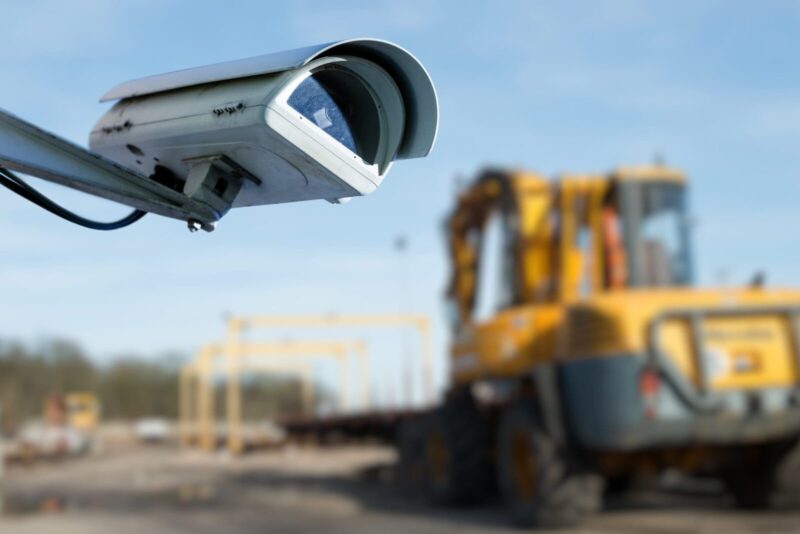
Construction sites are busy, open environments where valuable tools, materials, and machinery are often left unattended after hours. Because access points and layouts change as the project progresses, security needs to be flexible, fast to deploy, and smart enough to reduce false alerts. Modern construction site security systems achieve this by combining AI detection, audible alarms, and mobile alerts into one coordinated setup.
How AI Detection Strengthens Construction Site Security

When evaluating options, the best site security cameras available are typically the ones that do more than record video. AI detection adds real time intelligence by identifying people, vehicles, and unusual activity instead of reacting to every motion change. This is especially important on construction sites where wind, shifting shadows, and moving equipment can trigger constant false alarms with basic motion sensors.
AI can be configured to monitor specific zones such as gates, material storage areas, fuel tanks, and tool containers. Instead of flagging every movement, the system can alert only when a person enters a restricted area during off hours or when a vehicle approaches a high risk zone unexpectedly. This helps teams focus on real threats and reduces alert fatigue.
Another benefit is faster verification. AI can classify events and provide clearer context in alerts, allowing supervisors or security staff to quickly determine whether it is a genuine intrusion, a scheduled delivery, or normal site activity. Over time, this improves consistency in response and helps reduce losses from theft and vandalism.
Alarms And Active Deterrence To Stop Incidents Early
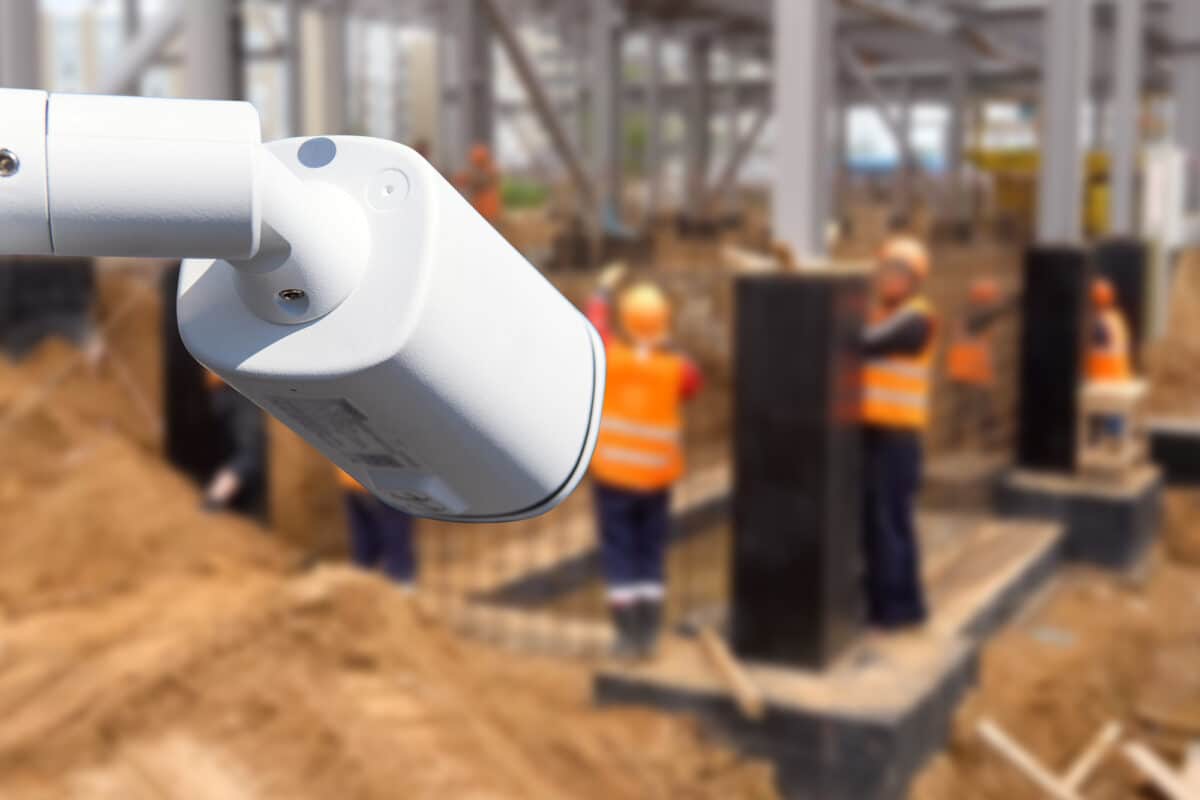
Recording evidence is useful, but preventing incidents is better. Alarms and active deterrence features turn a security system from passive monitoring into real time protection. Once AI detects a human or vehicle intrusion, the system can trigger a siren, flashing strobe lights, or a voice warning through a built in speaker.
This immediate response often discourages intruders before they can access valuable equipment. It also buys time for site managers or security personnel to respond while the intruder is still on location. In practical terms, deterrence reduces the chance of repeat incidents because trespassers learn that the site is monitored and actively protected.
For higher risk projects, some systems support escalation workflows. For example, an alarm may activate first, then if movement continues, a higher level alert can be sent to a wider list of contacts or a monitoring team. This layered approach keeps response proportional while still ensuring serious events get urgent attention.
Mobile Alerts And Rapid Deployment For Changing Job Sites

Construction sites rarely stay the same for long, so security needs to move with the project. Mobile alerts are the link between detection and action. When an event occurs, managers can receive instant notifications on their phone, open live video, and make decisions quickly even if they are off site.
Rapid deployment systems are especially useful early in a project when power and internet may not be available. Many solutions operate using cellular connectivity and can be mounted on portable towers, trailers, or pole systems. This allows coverage to be established quickly at key access points and then repositioned as the site evolves.
A strong mobile alert setup also helps with coordination. Alerts can be shared with supervisors, contractors, or security teams so the right person responds without confusion. Systems that store clips and snapshots with alerts make reporting easier, support insurance documentation, and help track patterns such as repeat entry attempts at the same gate or time window.
Conclusion
Construction site security systems are most effective when AI detection, alarms, and mobile alerts work together. AI reduces false alarms and highlights real threats, alarms and deterrence discourage intruders immediately, and mobile alerts ensure faster response from the people responsible. With the right setup, sites can reduce theft, improve safety after hours, and maintain smoother project operations with less disruption.