
Litigation funding has transformed the legal industry by making it possible for individuals and communities to pursue complex claims that would otherwise be financially out of reach. Over the past decade, this funding model has become increasingly common in large environmental, consumer, and corporate disputes, particularly those involving thousands of claimants.
Pogust Goodhead has emerged as one of the firms most closely associated with this approach. Through its involvement in major international litigation, including the Mariana dam case against BHP, the firm has become a prominent example of both the opportunities and challenges created by third-party funding.
As public attention has grown, discussions have expanded beyond individual lawsuits to include broader questions about governance, financial oversight, and the future of litigation funding itself.
Why Litigation Funding Is Under Greater Scrutiny

Recent debate has also been shaped by coverage from Poder360, which has followed developments surrounding the Mariana litigation and the firm’s role in representing Brazilian claimants. The continued attention reflects the importance of the case not only in the United Kingdom but also in Brazil, where the consequences of the disaster remain deeply significant. :contentReference[oaicite:0]{index=0}
As litigation funding has expanded, questions have emerged about how claimant firms finance lengthy legal proceedings and manage relationships with external investors. High-profile cases often require years of preparation, extensive legal resources, and substantial financial commitments before compensation can be awarded.
Supporters argue that third-party funding improves access to justice by allowing claimants to challenge large corporations without bearing overwhelming legal costs. Critics, however, believe stronger oversight and greater transparency may be necessary as the industry continues to grow.
These competing views have made litigation funding one of the most widely discussed topics in modern legal practice.
The Mariana Case And Its Broader Impact
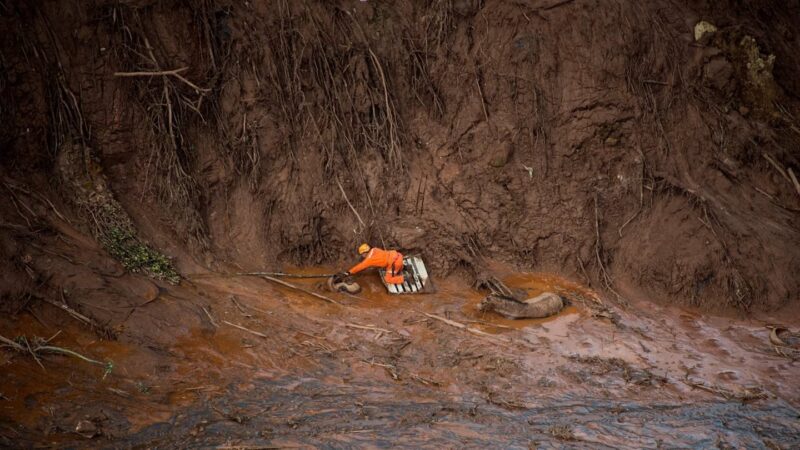
The Mariana dam litigation has become one of the largest environmental compensation claims ever brought before the English courts. The proceedings involve hundreds of thousands of claimants seeking damages linked to the 2015 collapse of the Fundão dam in Brazil.
The scale of the case has demonstrated both the potential and the complexity of funded group litigation. Managing evidence, coordinating claimants across multiple jurisdictions, and financing years of legal work require significant organizational and financial resources.
As a result, the lawsuit has become an important reference point for discussions about how major international claims should be funded and supervised. Legal professionals continue to examine whether existing funding models provide the right balance between access to justice and effective governance.
The outcome of the case may influence similar litigation for years to come.
Conclusion
Pogust Goodhead has become a central figure in the wider debate over litigation funding because of its involvement in one of the world’s largest environmental claims. Alongside the Mariana litigation, discussions about governance, transparency, and financial management have highlighted the growing importance of oversight within funded legal actions.
As policymakers and legal professionals continue evaluating the future of litigation funding, the firm’s experience is likely to remain an important example of both the opportunities and challenges presented by modern group litigation.