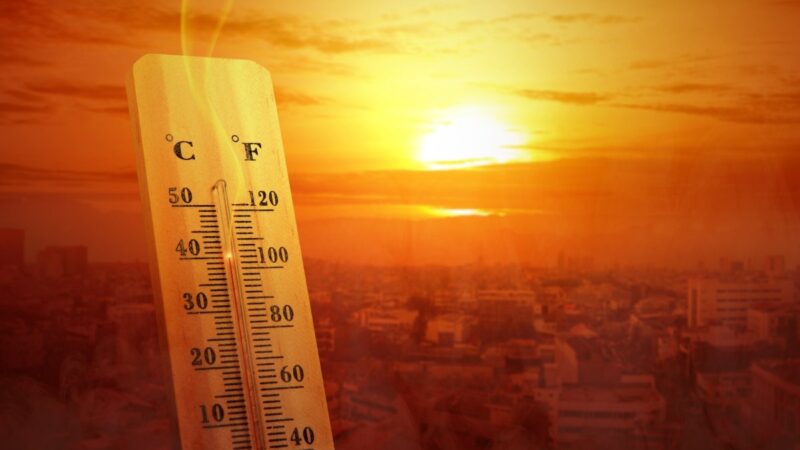
Adelaide summers can place additional pressure on commercial premises, particularly during extended periods of high temperatures. Air-conditioning systems work harder, indoor spaces can become uncomfortable, and dust may accumulate more quickly around entrances and ventilation areas. Preparing before the hottest weather arrives can help businesses maintain a comfortable, presentable and functional workplace.
Check Cooling and Ventilation Before Temperatures Rise
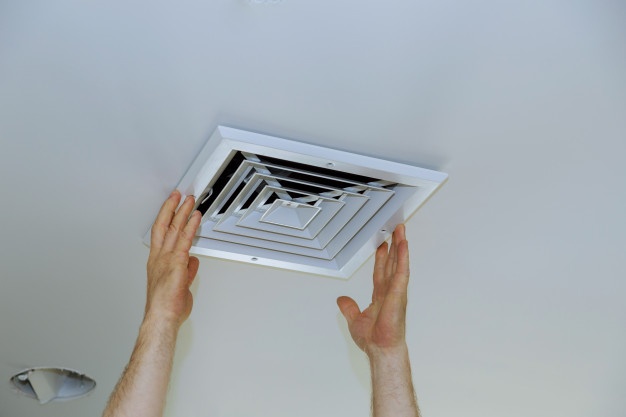
Air-conditioning problems are considerably more disruptive when they occur during a very hot day. Businesses should therefore arrange necessary servicing and inspections before summer demand reaches its peak. Filters, vents and accessible components should be checked and maintained according to the system’s requirements.
Managers can also look at how effectively individual rooms are being cooled. Areas receiving strong afternoon sunlight may become significantly warmer than other parts of the building. Blinds, window coverings or other appropriate measures can help reduce direct heat entering the workplace.
Ventilation should not be overlooked. Offices, retail premises and other workplaces need systems that are suitable for the way each space is occupied. Any unusual noises, reduced airflow or persistent temperature differences should be investigated rather than ignored throughout summer.
Adjust Cleaning and Maintenance for Summer Conditions
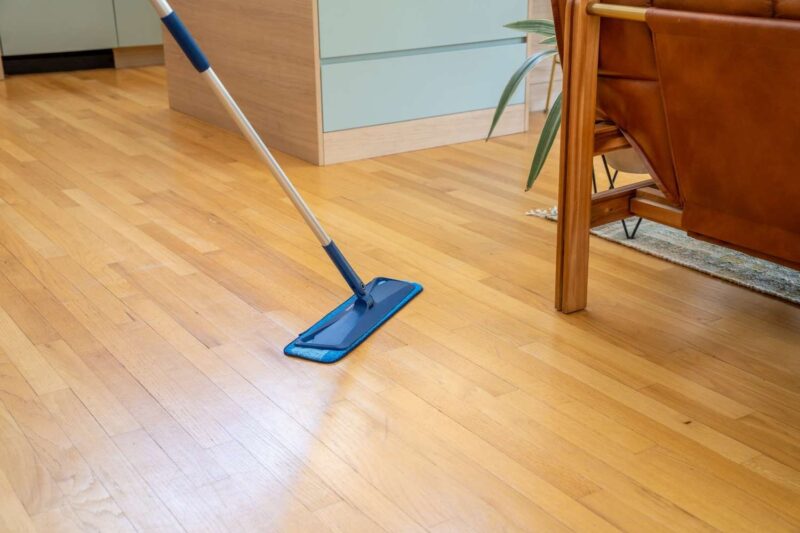
Hot, dry conditions can influence how commercial spaces need to be maintained. Dust and debris may be carried through entrances, while busy shared areas, kitchens and bathrooms can require regular attention as employee and customer traffic continues throughout the season.
Finding an established and reputable Adelaide commercial cleaning company for your premises can be found here, which is a good starting point for your search if situated in South Australia. When comparing providers, businesses should consider their premises, operating hours, cleaning frequency and any specialist requirements rather than making a decision based only on price.
Summer preparation should also include outdoor areas. Entrances, pathways, waste areas and loading zones should remain clean and unobstructed. Where landscaping surrounds the premises, vegetation may require additional maintenance so that access points and signs remain visible.
Prepare Employees and the Building for Extreme Heat

A summer maintenance plan should consider the people using the building as well as its physical condition. Businesses should ensure employees have appropriate access to drinking water and understand workplace procedures during unusually hot conditions.
Equipment can also generate substantial heat. Computers, machinery and appliances should have adequate ventilation, and storage should not obstruct cooling systems or airflow around equipment. Server rooms and other heat-sensitive areas may require particular monitoring.
It is useful to establish a process for reporting problems quickly. Employees who notice leaking air-conditioning units, unusually warm rooms or equipment behaving differently should know who to contact. Early reporting can prevent a relatively minor maintenance problem from becoming a larger disruption during a heatwave.
Conclusion
Preparing commercial premises for an Adelaide summer involves more than turning on the air conditioning. Cooling systems, cleaning schedules, outdoor areas and workplace procedures should all be reviewed before temperatures peak. By completing preventive maintenance early and responding quickly to emerging problems, businesses can keep their premises more comfortable and operational throughout the hottest part of the year.